
Advanced Certificate in Anthropology of Disease: Historical and Contemporary
This certificate provides in-depth knowledge of disease from a cultural and historical perspective, enhancing skills for interdisciplinary research and public health practice.
Advanced Certificate in Anthropology of Disease: Historical and Contemporary
Programme Overview
This course is for professionals and students who want to understand diseases through a cultural lens. First, participants will explore historical perspectives on disease. Next, they will delve into contemporary issues. They will gain insights into how societies understand, respond to, and are shaped by disease. This includes past pandemics, public health, and current health challenges.
Moreover, they will actively engage with diverse case studies and theories. Finally, participants will develop critical thinking skills to analyze real-world health scenarios.
What You'll Learn
Embark on a journey through time and cultures with our 'Advanced Certificate in Anthropology of Disease: Historical and Contemporary.' This program provides a deep dive into how diseases have shaped societies, and vice versa.
Firstly, explore the historical roots of diseases. Students will examine how past epidemics have influenced cultural practices and societal structures. Moreover, understand the contemporary implications of these historical events.
Secondly, delve into current issues. Learn about modern-day diseases and their impact on various communities. Additionally, gain insights into health disparities and the role of culture in healthcare delivery.
Benefits include a unique interdisciplinary approach, combining anthropology, history, and public health. Consequently, students will gain a holistic understanding of disease. Furthermore, this certificate opens doors to diverse career opportunities. These range from public health and epidemiology to medical anthropology and global health. Join us to make a difference in the world of health and disease. Enrol now and become a champion of health equity.
Programme Highlights
Industry-Aligned Curriculum
Developed with industry leaders to ensure practical, job-ready skills valued by employers worldwide.
Expert Faculty
Learn from experienced professionals with real-world expertise in your chosen field.
Flexible Learning
Study at your own pace, from anywhere in the world, with our flexible online platform.
Industry Focus
Practical, real-world knowledge designed to meet the demands of today's competitive job market.
Latest Curriculum
Stay ahead with constantly updated content reflecting the latest industry trends and best practices.
Career Advancement
Unlock new opportunities with a globally recognized qualification respected by employers.
Topics Covered
- Historical Perspectives on Disease: Analyze the evolution of disease through anthropological and historical lenses.
- Cultural Beliefs and Healing Practices: Examine how different cultures perceive and treat diseases.
- Epidemiology and Anthropology: Explore the intersection of epidemiological methods and anthropological insights.
- Contemporary Disease Issues: Investigate current global health challenges from an anthropological viewpoint.
- Medical Anthropology Methods: Learn qualitative and quantitative research methods used in medical anthropology.
- Case Studies in Disease Anthropology: Study specific case examples of diseases and their anthropological implications.
Key Facts
### Key Facts
Audience: This course welcomes students and professionals from diverse backgrounds. It is ideal for those passionate about anthropology and disease. It is particularly useful for healthcare workers, social scientists, and historians. It also benefits anyone interested in understanding the intersection of culture, health, and disease.
Prerequisites: First, ensure you have a basic understanding of anthropology. Additionally, familiarity with health sciences is beneficial. However, no advanced degrees are required. Most importantly, bring an open mind and a desire to learn.
Outcomes: Students will gain a deep understanding of disease through an anthropological lens. They will learn to analyze historical and contemporary perspectives. Moreover, they will develop critical thinking skills to address real-world health issues. Finally, they will be equipped to apply this knowledge in various professional settings.
Why This Course
Learners should pick the 'Advanced Certificate in Anthropology of Disease'.
First, this program actively empowers students. It equips them to explore disease from a human perspective. Moreover, it encourages critical thinking. Students will navigate historical and contemporary disease issues. Hence, they can understand public health better.
Second, students will gain a fresh perspective on global health. They will dive into how culture and disease interact. This will help them see health issues from an inclusive lens.
Third, graduates will stand out. They will have a unique skill set. This will open doors in various fields. These include public health, policy making, and research.
Programme Title
Advanced Certificate in Anthropology of Disease: Historical and Contemporary
Course Brochure
Download our comprehensive course brochure with all details
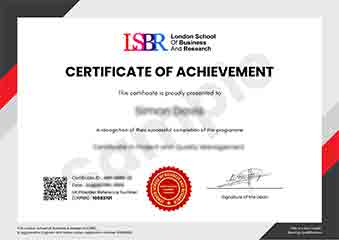
Sample Certificate
Preview the certificate you'll receive upon successful completion of this program.
Pay as an Employer
Request an invoice for your company to pay for this course. Perfect for corporate training and professional development.
What People Say About Us
Hear from our students about their experience with the Advanced Certificate in Anthropology of Disease: Historical and Contemporary at LSBR London - Executive Education.
Charlotte Williams
United Kingdom"The course content was incredibly comprehensive, delving into both historical and contemporary perspectives on the anthropology of disease, which has significantly deepened my understanding of how cultural and social factors influence health outcomes. I particularly appreciated the practical skills gained in ethnographic research methods, which I believe will be invaluable in my future career in public health."
Isabella Dubois
Canada"This course has been a game-changer for my career in public health, providing me with a deep understanding of how cultural and historical factors influence disease patterns. The skills I've developed in analyzing disease from an anthropological perspective have made me more effective in my role, allowing me to approach health challenges with a more nuanced and comprehensive strategy."
Ruby McKenzie
Australia"The course was exceptionally well-organized, with a clear progression from historical contexts to contemporary issues, making it easy to follow and understand. The comprehensive content not only deepened my knowledge of the anthropology of disease but also provided practical insights that I can directly apply to my professional work in public health."