
Advanced Certificate in Gene Duplication in Plant Evolution: Comparative Genomics
Gain expertise in plant evolution through gene duplication, mastering comparative genomics for advanced research and career opportunities.
Advanced Certificate in Gene Duplication in Plant Evolution: Comparative Genomics
Programme Overview
This course is for biologists and evolutionary scientists seeking to deepen their understanding of gene duplication in plant evolution. First, you will explore how gene duplication drives plant diversity. Next, you will learn advanced techniques in comparative genomics. You will gain hands-on experience with cutting-edge tools and software.
Consequently, you will be able to analyze genomic data and interpret evolutionary patterns. Moreover, you will understand the impact of gene duplication on plant adaptation and speciation. Ultimately, you will have the knowledge to contribute to ongoing research in plant evolution.
What You'll Learn
Dive into the fascinating world of plant evolution with our Advanced Certificate in Gene Duplication in Plant Evolution: Comparative Genomics. First, you'll explore the fundamentals of gene duplication, setting a solid foundation. Next, delve into the intricacies of comparative genomics and its role in plant evolution. Moreover, you'll actively analyze real-world data and apply cutting-edge tools to uncover genetic mysteries. Furthermore, gain hands-on experience through virtual labs and interactive projects. Additionally, you'll join a global community of researchers and industry professionals, enhancing your network.
This course opens doors to exciting career opportunities in academia, biotechnology, and agricultural research. Meanwhile, you'll hone skills in data analysis, genomic research, and experimental design. Finally, upon completion, you'll receive a certificate, a testament to your expertise and dedication. Don't miss out on this transformative journey. Enroll now and become a pioneer in plant genomics!
Programme Highlights
Industry-Aligned Curriculum
Developed with industry leaders to ensure practical, job-ready skills valued by employers worldwide.
Expert Faculty
Learn from experienced professionals with real-world expertise in your chosen field.
Flexible Learning
Study at your own pace, from anywhere in the world, with our flexible online platform.
Industry Focus
Practical, real-world knowledge designed to meet the demands of today's competitive job market.
Latest Curriculum
Stay ahead with constantly updated content reflecting the latest industry trends and best practices.
Career Advancement
Unlock new opportunities with a globally recognized qualification respected by employers.
Topics Covered
- Introduction to Gene Duplication: Understand the mechanisms and significance of gene duplication in plant genomes.
- Comparative Genomics Methods: Learn techniques for comparing genomes to identify duplicated genes.
- Evolutionary Dynamics of Duplicated Genes: Examine how duplicated genes evolve and contribute to plant diversity.
- Functional Analysis of Duplicated Genes: Investigate the roles and interactions of duplicated genes in plant processes.
- Case Studies in Plant Evolution: Analyze specific examples of gene duplication driving plant evolution.
- Bioinformatics Tools for Genomic Comparison: Gain proficiency in using bioinformatics software for genomic analysis.
Key Facts
Audience: This program is for biologists, botanists, and researchers aiming to specialize in plant genetics.
Prerequisites: After first, obtain a bachelor's degree in biology or similar field. Next, gain basic knowledge of genomics. Additionally, familiarity with bioinformatics tools is beneficial.
Outcomes: First, learn to analyze gene duplication events. Then, understand their role in plant evolution. Lastly, apply comparative genomics techniques to decode plant genomes.
Why This Course
First, this program equips learners with advanced skills in comparative genomics. Next, it offers a deep dive into gene duplication, a crucial mechanism in plant evolution. Furthermore, it fosters a strong community of learners and experts alike. As a result, participants gain a comprehensive view of plant evolution. In addition, it provides hands-on experience with the latest tools and technologies. Moreover, it opens doors to exciting career opportunities in academia and industry. It also encourages collaborative projects, enhancing teamwork skills. Finally, it promotes critical thinking and problem-solving abilities.
Programme Title
Advanced Certificate in Gene Duplication in Plant Evolution: Comparative Genomics
Course Brochure
Download our comprehensive course brochure with all details
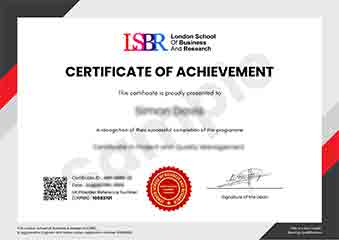
Sample Certificate
Preview the certificate you'll receive upon successful completion of this program.
Pay as an Employer
Request an invoice for your company to pay for this course. Perfect for corporate training and professional development.
What People Say About Us
Hear from our students about their experience with the Advanced Certificate in Gene Duplication in Plant Evolution: Comparative Genomics at LSBR London - Executive Education.
James Thompson
United Kingdom"The course content was incredibly comprehensive, delving into the intricacies of gene duplication and its role in plant evolution with a wealth of up-to-date research and case studies. I gained practical skills in comparative genomics that have already proven valuable in my research, enhancing my ability to analyze genetic data and understand evolutionary processes."
Charlotte Williams
United Kingdom"This course has significantly enhanced my understanding of comparative genomics, providing me with industry-relevant skills that have already proven valuable in my current role. The practical applications of gene duplication in plant evolution have given me a competitive edge, opening up new opportunities for career advancement in agricultural biotechnology."
Priya Sharma
India"The course structure was exceptionally well-organized, with a logical progression from basic concepts to advanced topics in gene duplication. I particularly appreciated the inclusion of real-world applications, which not only deepened my understanding but also provided valuable insights for my professional growth in plant genomics."