
Certificate in Python Microcontrollers: Energy Efficient Designs
Learn to design energy-efficient projects using Python microcontrollers, enhancing your skills in sustainable and efficient embedded systems.
Certificate in Python Microcontrollers: Energy Efficient Designs
Programme Overview
This course is for anyone eager to create energy-efficient designs using Python and microcontrollers. Students will gain hands-on experience in writing efficient Python code. Moreover, they will also learn to optimize power consumption in microcontroller-based projects.
First, students will explore the basics of microcontrollers and Python programming. Next, they will dive into energy management techniques. Additionally, they will work on practical projects to apply what they've learned. Finally, students will earn a certificate upon completion.
What You'll Learn
Dive into the future of technology with our 'Certificate in Python Microcontrollers: Energy Efficient Designs'! First, you'll master Python programming for microcontrollers like Raspberry Pi and Arduino. Next, you'll design and build energy-efficient projects. Finally, you'll learn to optimize power consumption in IoT devices. Career opportunities await in fields like smart home technology, renewable energy, and industrial automation.
Moreover, you’ll gain hands-on experience with real-world projects. In addition, you’ll develop problem-solving skills with a focus on sustainability. Plus, you’ll join a vibrant community of innovators.
Moreover, our expert instructors ensure you receive top-quality training. Plus, you’ll receive a certificate that stands out to employers. Why wait? Start your journey toward a greener, smarter future today!
Programme Highlights
Industry-Aligned Curriculum
Developed with industry leaders to ensure practical, job-ready skills valued by employers worldwide.
Expert Faculty
Learn from experienced professionals with real-world expertise in your chosen field.
Flexible Learning
Study at your own pace, from anywhere in the world, with our flexible online platform.
Industry Focus
Practical, real-world knowledge designed to meet the demands of today's competitive job market.
Latest Curriculum
Stay ahead with constantly updated content reflecting the latest industry trends and best practices.
Career Advancement
Unlock new opportunities with a globally recognized qualification respected by employers.
Topics Covered
- Introduction to Python Microcontrollers: Understand the basics of Python microcontrollers and their applications.
- Energy Efficiency Principles: Learn fundamental principles of energy-efficient design for microcontrollers.
- Power Management Techniques: Explore techniques for managing power consumption in microcontroller systems.
- Sensors and Actuators for Energy Monitoring: Integrate sensors and actuators to monitor and control energy usage effectively.
- Optimizing Code for Energy Efficiency: Write and optimize Python code to enhance the energy efficiency of microcontroller applications.
- Case Studies and Real-World Applications: Analyze case studies and real-world projects implementing energy-efficient microcontroller designs.
Key Facts
### Key Facts
Who will benefit from this course? Individuals eager to learn about Python microcontrollers are the ideal audience for this certification. You'll gain practical skills to create energy-efficient designs. The first step? Getting started with basic programming concepts.
What do you need to know beforehand? Before enrolling, ensure you have a foundational understanding of Python. Next, familiarize yourself with basic electronics concepts. Finally, access to a microcontroller kit is necessary for hands-on practice.
What will you achieve? First, you will design and implement energy-efficient projects. Second, you will optimize microcontroller performance. Lastly, you will troubleshoot common issues effectively.
Why This Course
Learners should pick 'Certificate in Python Microcontrollers: Energy Efficient Designs' for several compelling reasons.
First, gain hands-on experience. This course allows you to work directly with Python microcontrollers. Therefore, you'll be able to design and implement projects effectively.
Next, improve your energy efficiency skills. By learning innovative design techniques, you'll be able to create devices that use less power, leading to more sustainable solutions.
Finally, boost your career prospects. This certificate stands out among others, showing that you have specialized skills. As a result, you can open up new job opportunities or advance in your current role.
Programme Title
Certificate in Python Microcontrollers: Energy Efficient Designs
Course Brochure
Download our comprehensive course brochure with all details
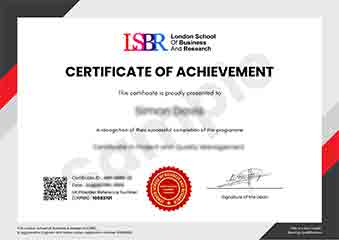
Sample Certificate
Preview the certificate you'll receive upon successful completion of this program.
Pay as an Employer
Request an invoice for your company to pay for this course. Perfect for corporate training and professional development.
What People Say About Us
Hear from our students about their experience with the Certificate in Python Microcontrollers: Energy Efficient Designs at LSBR London - Executive Education.
Oliver Davies
United Kingdom"The course content was incredibly thorough, covering everything from basic microcontroller programming to advanced energy-efficient design techniques. I gained practical skills in optimizing power consumption and implementing real-world applications, which has already proven valuable in my current projects and has boosted my confidence in pursuing a career in embedded systems."
Connor O'Brien
Canada"This course has been a game-changer for my career in embedded systems. The focus on energy-efficient designs using Python microcontrollers has equipped me with highly relevant industry skills, enabling me to tackle real-world problems with confidence. I've already seen a significant impact on my projects at work, and I'm excited about the new opportunities this expertise has opened up for me."
Anna Schmidt
Germany"The course structure was exceptionally well-organized, with each module building logically on the previous one, which made complex topics in energy-efficient designs using Python microcontrollers much easier to grasp. The comprehensive content not only deepened my understanding of Python programming but also provided practical insights into real-world applications, significantly enhancing my professional growth in the field of embedded systems."