
Executive Development Programme in Anthropology of Disease: Understanding Health Disparities
This program equips executives with the tools to analyze health disparities through an anthropological lens, fostering culturally sensitive strategies to improve public health outcomes.
Executive Development Programme in Anthropology of Disease: Understanding Health Disparities
Programme Overview
This course targets professionals in healthcare, social work, and public policy. It's also open to anyone eager to understand health disparities. By the end, participants will gain a deep understanding of how culture, society, and biology intertwine. This includes practical tools to analyze and address health inequities.
First, participants will explore anthropological theories on health and disease. Next, they'll actively analyze real-world case studies. Finally, they'll develop strategies to implement change. Through this journey, participants will actively engage with diverse perspectives. They'll also build a network of like-minded professionals.
What You'll Learn
Dive into the Executive Development Programme in Anthropology of Disease: Understanding Health Disparities. First, explore how cultural, social, and biological factors shape health outcomes. Next, learn to analyze health disparities and inequities. Moreover, develop skills in qualitative and quantitative research methods. Meanwhile, engage with experts in the field through interactive workshops and case studies. Finally, gain practical experience through a capstone project. In addition, unlock career opportunities in public health, healthcare management, and policy-making. Furthermore, this program empowers you to drive meaningful change. Lastly, join a diverse cohort of professionals dedicated to improving global health. Enroll now to transform your career and impact lives. This is your moment to make a difference.
Programme Highlights
Industry-Aligned Curriculum
Developed with industry leaders to ensure practical, job-ready skills valued by employers worldwide.
Expert Faculty
Learn from experienced professionals with real-world expertise in your chosen field.
Flexible Learning
Study at your own pace, from anywhere in the world, with our flexible online platform.
Industry Focus
Practical, real-world knowledge designed to meet the demands of today's competitive job market.
Latest Curriculum
Stay ahead with constantly updated content reflecting the latest industry trends and best practices.
Career Advancement
Unlock new opportunities with a globally recognized qualification respected by employers.
Topics Covered
- Introduction to Medical Anthropology: Explore the basics of medical anthropology and its relevance to understanding health disparities.
- Cultural Beliefs and Health Behaviors: Analyze how cultural beliefs influence health behaviors and outcomes.
- Structural Factors in Health Disparities: Examine the role of socioeconomic status, race, and gender in health disparities.
- Epidemiology and Disease Distribution: Understand the principles of epidemiology and the distribution of diseases in populations.
- Health Systems and Policy: Evaluate the impact of health systems and policies on health disparities.
- Applied Research Methods in Medical Anthropology: Learn qualitative and quantitative research methods to study health disparities.
Key Facts
Audience: Mid to senior-level professionals. Those involved in public health, policy-making, or healthcare delivery. Additionally, researchers and academics interested in health disparities. Participants from diverse backgrounds are encouraged to apply.
Prerequisites: First, a bachelor's degree in a related field is required. Secondly, a minimum of years of relevant work experience. Therefore, applicants should be ready to engage actively in discussions. Moreover, a strong interest in anthropology and health disparities is essential.
Outcomes: Firstly, you will gain a deeper understanding of health disparities. Secondly, you will learn to apply anthropological perspectives to health issues. Lastly, you will develop skills to address health disparities in your field.
Why This Course
First, this program offers a deep dive into real-world health issues. Learners gain insights into why and how health disparities occur.
Next, it helps learners see the world through a different lens. Understand how culture, society, and history shape health disparities.
This is especially important for learners who want to make health care more inclusive.
Finally, it equips learners with practical skills. Tools to conduct research and advocate for change.
Programme Title
Executive Development Programme in Anthropology of Disease: Understanding Health Disparities
Course Brochure
Download our comprehensive course brochure with all details
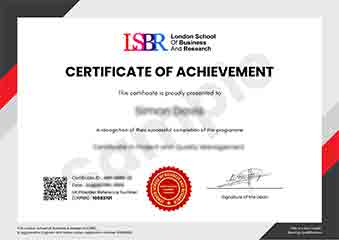
Sample Certificate
Preview the certificate you'll receive upon successful completion of this program.
Pay as an Employer
Request an invoice for your company to pay for this course. Perfect for corporate training and professional development.
What People Say About Us
Hear from our students about their experience with the Executive Development Programme in Anthropology of Disease: Understanding Health Disparities at LSBR London - Executive Education.
Oliver Davies
United Kingdom"The course content was incredibly comprehensive, offering a deep dive into the anthropological perspectives on health disparities that I found both enlightening and relevant to my career in public health. I gained practical skills in analyzing health data through a cultural lens, which has already proven valuable in my current role."
Mei Ling Wong
Singapore"The Executive Development Programme in Anthropology of Disease has been instrumental in enhancing my understanding of health disparities, providing me with practical tools to address real-world issues in public health. This course has significantly boosted my career by equipping me with industry-relevant skills that have opened new opportunities for leadership roles in healthcare policy and community health initiatives."
Isabella Dubois
Canada"The course structure was exceptionally well-organized, with each module seamlessly building upon the last, which made complex topics in the anthropology of disease easily digestible. The comprehensive content not only deepened my understanding of health disparities but also provided practical insights that I can directly apply to my professional role, enhancing my ability to address real-world health challenges."