
Executive Development Programme in Ethnographic Approaches to Health Behavior Change
This program equips executives with ethnographic skills to drive impactful health behavior change initiatives, enhancing strategic decision-making and organizational effectiveness.
Executive Development Programme in Ethnographic Approaches to Health Behavior Change
Programme Overview
This course is for healthcare professionals and researchers seeking to understand and influence health behaviors. Participants will learn to apply ethnographic methods to gain deep insights into communities' practices, beliefs, and challenges. You will start by learning the basics of ethnographic research.
Next, you will actively engage in fieldwork, data analysis, and interpreting results. Moreover, you will develop skills to design and implement effective health interventions. Consequently, you will be equipped to drive meaningful behavior changes and improve health outcomes in diverse populations.
What You'll Learn
Dive into the fascinating world of health behavior change with our Executive Development Programme in Ethnographic Approaches. First, discover how ethnographic methods can uncover deep insights into health behaviors. Next, learn how to apply these insights to foster positive change in individuals and communities. Moreover, this program is designed for professionals eager to make a tangible impact. Benefit from expert-led workshops and real-world case studies. For instance, you will actively engage in fieldwork. Grow your career prospects as a health consultant, program manager, or researcher. Stand out in the job market with unique, hands-on skills. Join us to transform health behaviors and create lasting change. Enroll today and unlock your potential as a catalyst for better health outcomes.
Programme Highlights
Industry-Aligned Curriculum
Developed with industry leaders to ensure practical, job-ready skills valued by employers worldwide.
Expert Faculty
Learn from experienced professionals with real-world expertise in your chosen field.
Flexible Learning
Study at your own pace, from anywhere in the world, with our flexible online platform.
Industry Focus
Practical, real-world knowledge designed to meet the demands of today's competitive job market.
Latest Curriculum
Stay ahead with constantly updated content reflecting the latest industry trends and best practices.
Career Advancement
Unlock new opportunities with a globally recognized qualification respected by employers.
Topics Covered
- Introduction to Ethnographic Research: Learn the principles and methods of ethnographic research in health contexts.
- Cultural Competency in Health: Understand the importance of cultural sensitivity in health behavior interventions.
- Data Collection Techniques: Master various data collection methods such as interviews, focus groups, and participant observation.
- Analyzing Ethnographic Data: Learn analytical techniques specific to ethnographic data, including coding and thematic analysis.
- Designing Health Behavior Interventions: Apply ethnographic insights to design culturally appropriate health behavior change programs.
- Ethical Considerations in Ethnographic Research: Explore the ethical issues and guidelines for conducting ethnographic research in health settings.
Key Facts
For Whom?
Professionals seeking to understand health behavior change
Healthcare providers and researchers, as well as program managers and policymakers.
Before You Start:
No prior ethnographic experience required.
However, a basic understanding of health behavior change concepts is needed.
What Will You Gain?
Skills in applying ethnographic methods to health behavior change.
Ability to design and implement ethnographic studies in health settings.
Improved capacity to interpret and apply ethnographic findings for policy and practice.
Why This Course
Firstly, learners gain a unique perspective on health behavior change. This program teaches you to understand people as active participants.
Secondly, the program offers practical skills. You learn to design and analyze ethnographic studies. This allows you to make informed decisions in your field.
Finally, the program connects you with a diverse community. You work alongside peers from different backgrounds. This enhances your network and broadens your understanding.
Programme Title
Executive Development Programme in Ethnographic Approaches to Health Behavior Change
Course Brochure
Download our comprehensive course brochure with all details
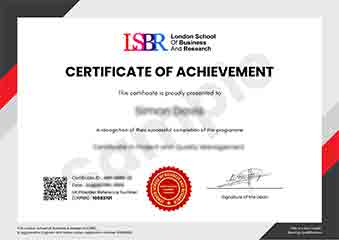
Sample Certificate
Preview the certificate you'll receive upon successful completion of this program.
Pay as an Employer
Request an invoice for your company to pay for this course. Perfect for corporate training and professional development.
What People Say About Us
Hear from our students about their experience with the Executive Development Programme in Ethnographic Approaches to Health Behavior Change at LSBR London - Executive Education.
Oliver Davies
United Kingdom"The course content was incredibly comprehensive, offering a deep dive into ethnographic methodologies and their applications in health behavior change. I gained practical skills in conducting fieldwork and analyzing qualitative data, which have already proven valuable in my current role, enhancing my ability to design and implement effective health interventions."
Connor O'Brien
Canada"The Executive Development Programme in Ethnographic Approaches to Health Behavior Change has significantly enhanced my ability to apply ethnographic methods to real-world health challenges, making me a more effective practitioner in my role. The course's focus on industry-relevant skills has not only broadened my professional toolkit but also opened up new opportunities for career advancement, allowing me to lead projects that drive meaningful health behavior change."
Oliver Davies
United Kingdom"The course structure was exceptionally well-organized, with a clear progression from theoretical foundations to practical applications, which made it easy to follow and absorb the material. The comprehensive content provided me with a deep understanding of ethnographic approaches and their real-world applications in health behavior change, significantly enhancing my professional growth."