
Global Certificate in Anthropology of Epidemics and Pandemics
This certificate provides a comprehensive understanding of how cultures and societies respond to epidemics and pandemics, enhancing skills for public health and policy roles.
Global Certificate in Anthropology of Epidemics and Pandemics
Programme Overview
The Global Certificate in Anthropology of Epidemics and Pandemics is designed for health professionals, researchers, and policymakers. First, you will gain a deep understanding of how cultures and societies shape health crises. Next, you will explore case studies from pandemic and epidemic events worldwide.
Then, you will develop skills in analyzing social dynamics during disease outbreaks. Also, you will learn to design culturally sensitive responses. You will engage with experts and peers through interactive sessions. Finally, you will be equipped to tackle global health challenges with a holistic perspective.
What You'll Learn
Unlock the secrets of global health dynamics with our Global Certificate in Anthropology of Epidemics and Pandemics. First, dive into the cultural, social, and political factors that shape epidemics and pandemics. Next, learn to analyze the interplay between human behavior and disease outbreaks. Then, explore real-world case studies, from historic plagues to modern-day crises. At the same time, gain practical skills in fieldwork, data analysis, and policy development. Moreover, this program is perfect for future health professionals, researchers, and policymakers.
Moreover, you'll benefit from interactive modules, expert-led webinars, and a global network of peers. Furthermore, you'll actively engage in projects that make a real-world impact. In addition, earn a globally recognized certificate that opens doors to careers in public health, epidemiology, and global health policy. Don’t miss out on this transformative journey. Join us to become a leader in understanding and combating epidemics and pandemics.
Programme Highlights
Industry-Aligned Curriculum
Developed with industry leaders to ensure practical, job-ready skills valued by employers worldwide.
Expert Faculty
Learn from experienced professionals with real-world expertise in your chosen field.
Flexible Learning
Study at your own pace, from anywhere in the world, with our flexible online platform.
Industry Focus
Practical, real-world knowledge designed to meet the demands of today's competitive job market.
Latest Curriculum
Stay ahead with constantly updated content reflecting the latest industry trends and best practices.
Career Advancement
Unlock new opportunities with a globally recognized qualification respected by employers.
Topics Covered
- Historical Perspectives on Epidemics and Pandemics: Explores historical epidemics and pandemics from an anthropological viewpoint.
- Cultural Responses to Disease: Analyzes how different cultures perceive and respond to infectious diseases.
- Social Impact of Epidemics: Examines the social and economic consequences of epidemics on communities.
- Medical Anthropology and Health Systems: Investigates the role of cultural beliefs in healthcare systems during outbreaks.
- Ethnographic Methods in Epidemic Research: Teaches qualitative research methods for studying epidemics in diverse settings.
- Global Health Governance and Policy: Reviews international policies and governance structures in managing global health crises.
Key Facts
Audience: This certificate is for anyone interested in understanding the social impact of diseases. Moreover, it welcomes students, professionals, and volunteers in healthcare, public health, and social sciences.
Prerequisites: First, no prior anthropology experience is needed. Equally important, a strong interest in the subject is required.
Outcomes: First, you will learn how cultural beliefs shape disease perceptions. Next, you will understand the role of community engagement in crisis response. Finally, you will develop skills to analyze and address health disparities.
Why This Course
First, the 'Global Certificate in Anthropology of Epidemics and Pandemics' offers a truly global perspective. It connects learners with experts worldwide. Thus, it provides diverse viewpoints on epidemics and pandemics. This, in turn, fosters a broader understanding. Second, the course actively engages learners in critical thinking. It encourages participants to analyze and question data. Moreover, it promotes the use of anthropological methods in real-world scenarios. Lastly, it prepares learners for meaningful careers. This includes roles in public health and humanitarian aid. It also opens doors to further studies in anthropology and related fields.
Programme Title
Global Certificate in Anthropology of Epidemics and Pandemics
Course Brochure
Download our comprehensive course brochure with all details
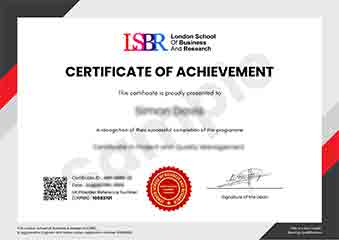
Sample Certificate
Preview the certificate you'll receive upon successful completion of this program.
Pay as an Employer
Request an invoice for your company to pay for this course. Perfect for corporate training and professional development.
What People Say About Us
Hear from our students about their experience with the Global Certificate in Anthropology of Epidemics and Pandemics at LSBR London - Executive Education.
James Thompson
United Kingdom"The course material was incredibly comprehensive, covering a wide range of historical and contemporary epidemics with a depth that I hadn't encountered before. I gained practical skills in analyzing epidemiological data and understanding the cultural and social dynamics of disease outbreaks, which I believe will be invaluable for my future career in public health."
Kai Wen Ng
Singapore"The Global Certificate in Anthropology of Epidemics and Pandemics has equipped me with a unique set of skills that are highly relevant in today's public health landscape. I've gained a deep understanding of cultural factors influencing disease spread and response, which has opened up new career opportunities in global health organizations and has significantly enhanced my ability to contribute to pandemic preparedness and response efforts."
Muhammad Hassan
Malaysia"The course structure was exceptionally well-organized, with each module building logically on the previous one, making complex topics in the anthropology of epidemics and pandemics accessible and engaging. The comprehensive content not only deepened my understanding of historical and contemporary health crises but also provided valuable insights into real-world applications, enhancing my professional growth and equipping me with tools to analyze and address public health challenges effectively."