
Global Certificate in Health Inequities: An Anthropological Lens
This certificate equips professionals with anthropological tools to analyze and address health disparities, enhancing their ability to create equitable health solutions.
Global Certificate in Health Inequities: An Anthropological Lens
Programme Overview
This course is for health professionals, social workers, and anyone interested in understanding health inequities. Together, we'll explore how cultural, social, and political factors shape health outcomes. We will also learn about anthropological methods to study health inequities.
First, students will gain a deep understanding of health inequities. Then, they will learn to apply anthropological tools to analyze and address these issues.
What You'll Learn
Dive into the fascinating world of health inequities with our 'Global Certificate in Health Inequities: An Anthropological Lens.' First, you'll gain a deep understanding of how cultural, social, and economic factors shape health outcomes worldwide. Meanwhile, you'll develop a critical lens to analyze these complex issues. Next, you'll explore real-world case studies, allowing you to apply theoretical knowledge to practical situations. Moreover, you'll connect with a global community of learners and experts, fostering a rich exchange of ideas and perspectives.
The certificate offers more than just knowledge. It opens doors to diverse career opportunities. For instance, you could work in public health policy, non-profit organizations, or international development. Furthermore, you'll learn from renowned anthropologists and public health professionals. Consequently, you'll be well-equipped to make a tangible impact on health equity. Join us to become a champion for health justice. Enroll today and start your journey towards creating a healthier, more equitable world.
Programme Highlights
Industry-Aligned Curriculum
Developed with industry leaders to ensure practical, job-ready skills valued by employers worldwide.
Expert Faculty
Learn from experienced professionals with real-world expertise in your chosen field.
Flexible Learning
Study at your own pace, from anywhere in the world, with our flexible online platform.
Industry Focus
Practical, real-world knowledge designed to meet the demands of today's competitive job market.
Latest Curriculum
Stay ahead with constantly updated content reflecting the latest industry trends and best practices.
Career Advancement
Unlock new opportunities with a globally recognized qualification respected by employers.
Topics Covered
- Introduction to Health Inequities: Examine the definition and scope of health inequities globally.
- Anthropological Perspectives on Health: Explore how cultural and social factors influence health outcomes.
- Structural Determinants of Health: Analyze how economic, political, and social structures affect health.
- Health Systems and Inequities: Assess the role of healthcare systems in perpetuating or mitigating health inequities.
- Methodologies in Health Anthropology: Learn research methods used to study health inequities from an anthropological perspective.
- Case Studies in Global Health Inequities: Examine real-world examples of health inequities and their anthropological implications.
Key Facts
### Key Facts
#### Audience
Ideal for professionals in healthcare, social work, and education.
Also suited for anyone interested in understanding health inequities.
Beginners in anthropology are welcome.
#### Prerequisites
No prior anthropology knowledge required.
However, basic understanding of healthcare systems is helpful.
Participants should have access to a computer and internet for online modules.
#### Outcomes
Learn to identify health inequities in various communities.
Gain skills to actively address these inequities.
Be able to apply an anthropological lens to health problems.
Become more aware of cultural and societal factors in healthcare.
Why This Course
Gain a unique perspective. First, this certificate offers a fresh view. It uses anthropology to tackle health inequalities. This approach helps you understand the root causes of these issues.
Become a more effective advocate. In addition, the course equips you with tools to address health disparities. You will learn how to engage communities. You will learn how to create change. You can apply these skills to your professional or personal life.
Join a global community. Furthermore, you will connect with learners from around the world. You will share insights and experiences. This exchange fosters a deeper understanding of global health challenges.
Programme Title
Global Certificate in Health Inequities: An Anthropological Lens
Course Brochure
Download our comprehensive course brochure with all details
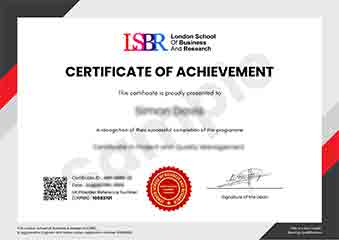
Sample Certificate
Preview the certificate you'll receive upon successful completion of this program.
Pay as an Employer
Request an invoice for your company to pay for this course. Perfect for corporate training and professional development.
What People Say About Us
Hear from our students about their experience with the Global Certificate in Health Inequities: An Anthropological Lens at LSBR London - Executive Education.
Charlotte Williams
United Kingdom"The course content was incredibly comprehensive, providing a deep dive into health inequities from an anthropological perspective. I gained practical skills in analyzing health disparities and understanding cultural influences on health, which I believe will be invaluable in my future career."
Madison Davis
United States"This course has been a game-changer for my career in public health, providing me with a deep understanding of how cultural and social factors influence health outcomes. The anthropological perspective has equipped me with practical skills to address health inequities more effectively, making me a more valuable asset in my role."
Emma Tremblay
Canada"The course was exceptionally well-organized, with each module building seamlessly on the previous one, which made complex topics on health inequities much easier to grasp. The comprehensive content, enriched with real-world case studies, has not only broadened my understanding but also provided practical insights that I can directly apply to my future career in public health."