
Postgraduate Certificate in Species Distribution Modeling Techniques
This program equips graduates with advanced skills in species distribution modeling techniques, enhancing predictive capabilities for biodiversity and conservation.
Postgraduate Certificate in Species Distribution Modeling Techniques
Programme Overview
The Postgraduate Certificate in Species Distribution Modeling Techniques is designed for professionals and advanced students in ecology, environmental science, conservation biology, and related fields. This program provides a comprehensive understanding of species distribution modeling (SDM) techniques, enabling learners to predict species' geographic distributions based on environmental factors, climate change, and other ecological data. It equips participants with the skills necessary to analyze complex ecological data and make informed decisions regarding conservation and management strategies.
Key skills and knowledge developed through this program include proficiency in statistical and modeling software, such as R and ArcGIS, and a deep understanding of the theoretical underpinnings of SDM. Learners will gain expertise in handling large datasets, interpreting model outputs, and applying SDM techniques to real-world ecological problems. Additionally, the program emphasizes the ethical considerations and limitations of SDM, ensuring that learners are well-prepared to contribute to sustainable environmental practices.
This program significantly impacts learners’ career trajectories by enhancing their analytical capabilities and providing them with in-demand skills in environmental science and conservation. Graduates are well-equipped to pursue careers in governmental agencies, non-profit organizations, academic institutions, and private consulting firms, focusing on species and habitat management, biodiversity assessment, and climate change mitigation strategies.
What You'll Learn
The Postgraduate Certificate in Species Distribution Modeling Techniques is designed to equip learners with cutting-edge tools and methodologies for predicting and understanding species distributions across various landscapes and ecosystems. This program is invaluable for professionals and researchers seeking to enhance their analytical skills in conservation biology, ecology, and environmental science.
Key topics covered include advanced statistical models, machine learning algorithms, geographic information systems (GIS), and remote sensing techniques. Students will learn to use software such as R, Python, and ArcGIS to analyze environmental data and develop predictive models. These skills are essential for addressing complex environmental challenges, from climate change impacts on biodiversity to habitat conservation.
Graduates apply their skills to real-world projects, collaborating with organizations such as national parks, wildlife conservation agencies, and environmental consulting firms. They can contribute to species conservation plans, habitat restoration efforts, and policy development. The program also prepares students for advanced research in academia or industry, where they can lead projects and publish findings in leading scientific journals.
Career opportunities abound for graduates, including roles as species distribution modelers, conservation planners, environmental data scientists, and research scientists. This certificate not only deepens knowledge in species distribution modeling but also opens doors to diverse and impactful careers in environmental science and policy.
Programme Highlights
Industry-Aligned Curriculum
Developed with industry leaders for job-ready skills
Globally Recognised Certificate
Recognised by employers across 180+ countries
Flexible Online Learning
Study at your own pace with lifetime access
Instant Access
Start learning immediately, no application process
Constantly Updated Content
Latest industry trends and best practices
Career Advancement
87% report measurable career progression within 6 months
Topics Covered
- Foundational Concepts: Covers the core principles and key terminology.: Data Handling: Focuses on the preparation and management of species distribution data.
- Spatial Analysis: Explores spatial statistics and geographic information systems (GIS).: Modeling Techniques: Introduces various species distribution modeling methods.
- Machine Learning: Applies machine learning algorithms to predict species distributions.: Case Studies: Analyzes real-world applications and case studies in species distribution modeling.
Everything Included in Your Enrolment
Here is what you get when you enrol with LSBR London
Key Facts
For professionals, researchers, and advanced students
Basic knowledge of ecology and statistics
Master species distribution modeling concepts
Apply models to real-world data sets
Understand spatial analysis techniques
Develop predictive models for species distributions
Ready to advance your career?
Join thousands of professionals who have transformed their careers with LSBR London. Enrol today and start learning immediately.
Why This Course
Enhanced Analytical Skills: A postgraduate certificate in Species Distribution Modeling Techniques equips professionals with advanced statistical and modeling skills. These skills are crucial for analyzing complex environmental data, predicting species distributions, and understanding habitat suitability. This proficiency opens up opportunities in environmental consultancy, conservation biology, and academic research.
Career Diversification: With this certification, professionals can diversify their career paths into specialized roles that focus on biodiversity assessment, conservation planning, and ecosystem management. For example, ecologists and environmental scientists can leverage these techniques to support wildlife conservation efforts, contribute to climate change mitigation strategies, or assist in habitat restoration projects.
Improved Decision-Making: The course provides tools for making evidence-based decisions in environmental management. By learning to model species distributions, professionals can better inform policy-making, land-use planning, and resource management. This ability to integrate scientific data into decision-making processes can significantly enhance the effectiveness of conservation and management efforts.
Networking Opportunities: Attending such a program connects professionals with experts in the field, fostering a community of practice. These networks are invaluable for staying updated with the latest research, methodologies, and industry trends. Such connections can lead to collaborative projects, research opportunities, and potential job advancements.
"This programme gave me the confidence and credentials to secure a senior role. Highly recommend LSBR London."
— Sarah M., United Kingdom
Course Brochure
Download our comprehensive course brochure with all details
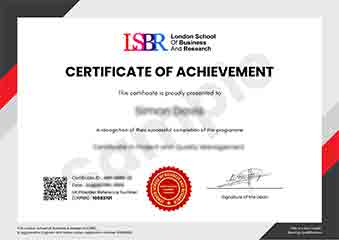
Sample Certificate
Preview the certificate you'll receive upon successful completion of this program.
Get Course Info
Receive the full course guide, pricing details, and enrolment instructions directly in your inbox.
Check your inbox!
Course details have been sent to your email.
Get Your Employer to Sponsor This Programme
Many employers offer professional development budgets. We make it easy for your company to invest in your growth with corporate invoicing and bulk enrolment options.
Email Template for Your Manager
Dear [Manager's Name],
I would like to request sponsorship for the Postgraduate Certificate in Species Distribution Modeling Techniques programme offered by LSBR London - Executive Education.
The programme costs $149 (one-time) and can be completed in 3-4 weeks alongside my regular duties.
Key benefits to our team:
- Immediately applicable skills
- Globally recognised certificate
- Corporate invoice available
Best regards,
[Your Name]
What People Say About Us
Hear from our students about their experience with the Postgraduate Certificate in Species Distribution Modeling Techniques at LSBR London - Executive Education.
Sophie Brown
United Kingdom"The course content is incredibly comprehensive, covering all the essential techniques in species distribution modeling with real-world applications that truly prepare you for practical use in conservation biology. Gaining hands-on experience with these tools has significantly enhanced my analytical skills and opened up new career opportunities in environmental research."
Muhammad Hassan
Malaysia"This postgraduate certificate has been incredibly industry-relevant, equipping me with advanced species distribution modeling techniques that are directly applicable in conservation biology. It has opened up new career opportunities and enhanced my ability to contribute to critical environmental projects."
Kavya Reddy
India"The course structure is well-organized, providing a comprehensive overview of species distribution modeling techniques that are directly applicable to real-world conservation challenges, significantly enhancing my professional skills in ecological modeling."
Your Path to Certification
Four simple steps from enrolment to your globally recognised certificate
Enrol Online
Complete your enrolment in under 2 minutes with secure checkout
Start Learning
Get instant access to all course materials and start at your own pace
Complete Modules
Work through the curriculum with expert support available throughout
Get Certified
Receive your LSBR London certificate recognised across 180+ countries
LSBR London by the Numbers
Join a global community of professionals advancing their careers
Students Enrolled
Countries Represented
Average Rating
Career Progression
Join Thousands Who Transformed Their Careers
Our graduates consistently report measurable career growth and professional advancement after completing their programmes.
Still deciding?
Join 23,000+ professionals who advanced their careers. Enroll today and start learning immediately.
Enroll NowSecure payment • Instant access • Certificate included