
Professional Certificate in Computational Models for Biomedical Devices
This certificate equips professionals with advanced skills in developing and analyzing computational models for biomedical devices, enhancing design and functionality.
Professional Certificate in Computational Models for Biomedical Devices
Programme Summary
The Professional Certificate in Computational Models for Biomedical Devices is designed for engineers, scientists, and medical professionals seeking to enhance their capabilities in developing and analyzing computational models that drive the design and optimization of biomedical devices. This program equips learners with a deep understanding of mathematical modeling, numerical analysis, and simulation techniques, specifically tailored to the complex challenges of biomedical engineering. Participants will delve into the application of advanced computational tools to address issues such as device performance optimization, safety assessment, and regulatory compliance, ensuring they are well-prepared to contribute to cutting-edge biomedical research and product development.
Throughout the program, learners will develop key skills in system dynamics modeling, finite element analysis, and machine learning applications relevant to biomedical devices. They will also gain proficiency in using specialized software and programming languages commonly used in biomedical engineering, such as MATLAB, Python, and COMSOL. Practical hands-on projects will allow learners to apply theoretical knowledge to real-world scenarios, fostering a robust problem-solving approach that is essential for advancing biomedical technology.
The career impact of this program is significant, as graduates will be well-positioned to lead innovative projects in the design and development of biomedical devices. They will be capable of contributing to the research and development of devices that improve patient care, enhance clinical outcomes, and drive technological advancements in the field. Additionally, the program’s emphasis on regulatory and ethical considerations will prepare learners to navigate the complexities of the industry, ensuring they are adept at bringing new devices to market while adhering to legal and ethical standards.
Learning Outcomes
The Professional Certificate in Computational Models for Biomedical Devices is designed to equip professionals with the advanced skills needed to develop and apply computational models in the rapidly evolving field of biomedical devices. This program, tailored for engineers, researchers, and clinicians, delves into the cutting-edge techniques and technologies that are pivotal in advancing medical diagnostics and therapeutic interventions.
Key topics include advanced modeling techniques, machine learning algorithms, and software tools essential for simulating complex biological systems. Students will learn to integrate computational models with experimental data to enhance the design and efficacy of biomedical devices. Practical projects and case studies provide hands-on experience in developing models for various biomedical applications, from imaging devices to wearable health monitors.
Upon completion, graduates will be well-prepared to contribute to the development and optimization of innovative biomedical technologies. They can pursue careers in research and development, product design, and regulatory compliance in the healthcare industry. Opportunities also exist in academic institutions, hospitals, and government agencies, where professionals can leverage their expertise to drive advancements in medical technology and patient care.
This program bridges the gap between theoretical knowledge and practical application, offering a robust foundation in computational modeling that is directly applicable to the field of biomedical devices, ensuring graduates are at the forefront of this dynamic and impactful area of research and development.
Programme Features
Industry-Aligned Curriculum
Developed with industry leaders for job-ready skills
Globally Recognised Certificate
Recognised by employers across 180+ countries
Flexible Online Learning
Study at your own pace with lifetime access
Instant Access
Start learning immediately, no application process
Constantly Updated Content
Latest industry trends and best practices
Career Advancement
87% report measurable career progression within 6 months
Course Modules
- Introduction to Biomedical Devices: Introduces the types and applications of biomedical devices.: Computational Models Fundamentals: Discusses the basics of computational models and their relevance to biomedical devices.
- Data Acquisition and Processing: Covers techniques for collecting and processing data relevant to biomedical devices.: Simulation Techniques: Explores various simulation methods used in the development of biomedical devices.
- Machine Learning in Biomedical Devices: Examines the application of machine learning algorithms to improve biomedical device performance.: Regulatory and Ethical Considerations: Discusses the regulatory frameworks and ethical issues surrounding biomedical devices.
What's Included in This Programme
Here is what you get when you enrol with LSBR London
Programme Facts
For biomedical engineers and researchers
Basic knowledge of programming and biology
Understand computational modeling techniques
Analyze biomedical device performance
Design and simulate biomedical devices
Ready to advance your career?
Join thousands of professionals who have transformed their careers with LSBR London. Enrol today and start learning immediately.
Why Study This Programme
Enhanced Career Opportunities: Earning a Professional Certificate in Computational Models for Biomedical Devices can significantly expand career pathways. This credential is particularly valuable for professionals in medical device engineering or biomedical research, as it demonstrates expertise in developing and using computational models to design and test biomedical devices. For instance, graduates can work on projects involving the simulation of physiological processes to improve device functionality and safety.
Advanced Skill Development: The certificate program focuses on developing advanced skills in computational modeling and simulation techniques. Participants learn to apply these skills to real-world problems, such as predicting how a device will perform in different physiological conditions or assessing its safety and efficacy. These skills are crucial for innovation in the biomedical field, allowing professionals to contribute to the development of more effective and safer medical devices.
Interdisciplinary Knowledge: The curriculum integrates knowledge from multiple disciplines, including biophysics, engineering, and computer science. This interdisciplinary approach prepares professionals to work in diverse teams and tackle complex, multi-faceted problems. For example, understanding the biological aspects of device interaction with the human body, combined with computational modeling, can lead to more precise and personalized medical devices. This broadened perspective is highly valued in the rapidly evolving field of biomedical engineering.
"This programme gave me the confidence and credentials to secure a senior role. Highly recommend LSBR London."
— Sarah M., United Kingdom
Course Brochure
Download our comprehensive course brochure with all details
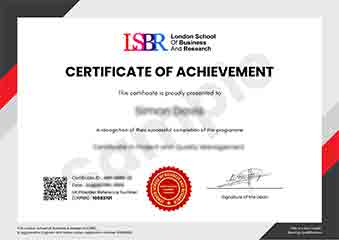
Sample Certificate
Preview the certificate you'll receive upon successful completion of this program.
Get Course Info
Receive the full course guide, pricing details, and enrolment instructions directly in your inbox.
Check your inbox!
Course details have been sent to your email.
Get Your Employer to Sponsor This Programme
Many employers offer professional development budgets. We make it easy for your company to invest in your growth with corporate invoicing and bulk enrolment options.
Email Template for Your Manager
Dear [Manager's Name],
I would like to request sponsorship for the Professional Certificate in Computational Models for Biomedical Devices programme offered by LSBR London - Executive Education.
The programme costs $149 (one-time) and can be completed in 3-4 weeks alongside my regular duties.
Key benefits to our team:
- Immediately applicable skills
- Globally recognised certificate
- Corporate invoice available
Best regards,
[Your Name]
What Our Students Say
Hear from our students about their experience with the Professional Certificate in Computational Models for Biomedical Devices at LSBR London - Executive Education.
Sophie Brown
United Kingdom"The course content is incredibly thorough and well-structured, providing a solid foundation in computational models for biomedical devices. I've gained practical skills that are directly applicable to real-world problems, enhancing my ability to innovate in the field."
Liam O'Connor
Australia"This course has been incredibly valuable, equipping me with the skills to design and analyze computational models for biomedical devices, which is directly applicable in the industry. It has opened up new career opportunities and enhanced my ability to contribute to cutting-edge medical technology projects."
Klaus Mueller
Germany"The course structure is well-organized, providing a clear path from foundational concepts to advanced topics in computational models for biomedical devices, which greatly enhances my understanding and prepares me for real-world challenges. The comprehensive content not only deepens my knowledge but also offers valuable insights into professional growth in this field."
Your Certification Journey
Four simple steps from enrolment to your globally recognised certificate
Enrol Online
Complete your enrolment in under 2 minutes with secure checkout
Start Learning
Get instant access to all course materials and start at your own pace
Complete Modules
Work through the curriculum with expert support available throughout
Get Certified
Receive your LSBR London certificate recognised across 180+ countries
LSBR London by the Numbers
Join a global community of professionals advancing their careers
Students Enrolled
Countries Represented
Average Rating
Career Progression