
Professional Certificate in Disease and Society: Anthropological Perspectives
Gain a deep understanding of how cultural, social, and political factors influence health and disease outcomes.
Professional Certificate in Disease and Society: Anthropological Perspectives
Programme Overview
The 'Professional Certificate in Disease and Society: Anthropological Perspectives' is tailored for health professionals, social scientists, and anyone eager to understand the human side of disease. First, participants will explore how cultural beliefs and social structures influence health outcomes. Consequently, they will learn to analyze health disparities and navigate cross-cultural healthcare settings.
Moreover, they will gain skills in conducting anthropological research. As a result, they will be equipped to design culturally sensitive health interventions. Lastly, they will engage with experts and peers in a collaborative online environment. This course will ultimately empower you to apply anthropological insights to real-world health challenges.
What You'll Learn
Join the 'Professional Certificate in Disease and Society: Anthropological Perspectives' and unlock a deeper understanding of health and illness. First, explore how cultures shape health beliefs and behaviors. Next, dive into real-world case studies. From there, learn to analyze the social and cultural dimensions of disease outbreaks. This program stands out by offering a unique blend of theory and practice. Moreover, it empowers you to apply anthropological insights to public health challenges. Upon completion, you'll be well-prepared for diverse career paths. These include roles in global health, public policy, and community development. Enroll today and transform your perspective on disease and society.
Programme Highlights
Industry-Aligned Curriculum
Developed with industry leaders to ensure practical, job-ready skills valued by employers worldwide.
Expert Faculty
Learn from experienced professionals with real-world expertise in your chosen field.
Flexible Learning
Study at your own pace, from anywhere in the world, with our flexible online platform.
Industry Focus
Practical, real-world knowledge designed to meet the demands of today's competitive job market.
Latest Curriculum
Stay ahead with constantly updated content reflecting the latest industry trends and best practices.
Career Advancement
Unlock new opportunities with a globally recognized qualification respected by employers.
Topics Covered
- Introduction to Medical Anthropology: Explores the basics of medical anthropology and its relevance to understanding health and disease.
- Culture, Health, and Illness: Examines how cultural beliefs and practices influence perceptions of health and illness.
- Global Health and Disease: Analyzes the global distribution of diseases and the socioeconomic factors that influence them.
- Chronic Illness and Disability: Investigates the social and cultural aspects of living with chronic illnesses and disabilities.
- Mental Health in Cultural Context: Explores how mental health is perceived and treated across different cultural settings.
- Health Care Systems and Policy: Studies the organization, delivery, and policy implications of healthcare systems worldwide.
Key Facts
Audience
For anyone interested in health, society, and culture.
No prior anthropology experience needed.
Ideal for healthcare professionals and students seeking a holistic approach.
Prerequisites
To join, you only need curiosity and an internet connection.
No specific background knowledge required.
Outcomes
Gain a deep understanding of how cultural factors influence disease.
Learn to analyze health issues from an anthropological viewpoint.
Develop skills to apply anthropological insights in real-world health settings.
Build a foundation for further studies in medical anthropology.
Why This Course
Firstly, this certificate offers a unique lens. It examines disease from a cultural perspective. Accordingly, learners will gain insights into how different societies perceive and respond to illness.
Moreover, you'll develop critical thinking skills. You will learn to analyze health systems. Also, you will evaluate the impact of cultural beliefs on healthcare outcomes. This is crucial for anyone working in global health.
Finally, the program fosters empathy. You will understand the social determinants of health. Furthermore, you will explore the human side of disease. This understanding is valuable for healthcare providers, researchers, and policymakers alike.
Programme Title
Professional Certificate in Disease and Society: Anthropological Perspectives
Course Brochure
Download our comprehensive course brochure with all details
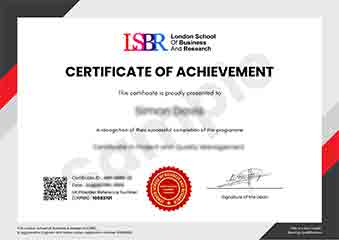
Sample Certificate
Preview the certificate you'll receive upon successful completion of this program.
Pay as an Employer
Request an invoice for your company to pay for this course. Perfect for corporate training and professional development.
What People Say About Us
Hear from our students about their experience with the Professional Certificate in Disease and Society: Anthropological Perspectives at LSBR London - Executive Education.
Sophie Brown
United Kingdom"The course content was incredibly rich and well-organized, providing a deep dive into how cultural and social factors influence disease dynamics. I gained practical skills in analyzing health issues from an anthropological perspective, which has been invaluable in my current role and has broadened my understanding of global health challenges."
Madison Davis
United States"This course provided me with a unique lens to understand health disparities, which has been incredibly valuable in my public health role. The anthropological perspectives I learned have enhanced my ability to design culturally sensitive health programs, directly impacting my career advancement and effectiveness in the field."
Kai Wen Ng
Singapore"The course was exceptionally well-organized, with each module building logically upon the last, which made complex topics in disease and society much more digestible. I particularly appreciated the real-world case studies that highlighted the practical applications of anthropological perspectives in understanding and addressing health issues, which has significantly enhanced my professional toolkit."