
Undergraduate Certificate in Best Practices for Migrating Legacy Systems to Modern Platforms
This certificate equips students with skills to seamlessly transition legacy systems to modern platforms, enhancing efficiency and innovation.
Undergraduate Certificate in Best Practices for Migrating Legacy Systems to Modern Platforms
Programme Overview
This course targets IT professionals and students aiming to modernize outdated systems. Participants will first learn to assess legacy systems. Next, they will move on to planning and executing migration strategies. Additionally, they will gain practical skills in leveraging cloud platforms, containers, and microservices.
First, participants will evaluate legacy systems to identify modernization needs. Then, they will develop and apply migration strategies. Moreover, they will explore tools and techniques for smooth transitions. Finally, participants will gain hands-on experience in modern technologies. This course equips participants with the know-how to upgrade systems effectively.
What You'll Learn
Embark on a journey to bridge the gap between legacy systems and modern platforms with our Undergraduate Certificate in Best Practices for Migrating Legacy Systems to Modern Platforms. This program is designed for those eager to navigate the complexities of digital transformation. First, gain a comprehensive understanding of legacy systems. Then, explore cutting-edge technologies. Additionally, you'll learn practical skills for planning, executing, and managing migrations. Moreover, you'll dive into real-world case studies. This hands-on approach ensures you're not just learning theory, but applying it. Upon completion, you'll be equipped to lead migration projects. Consequently, you’ll open doors to exciting careers in IT consulting, software development, and project management. Join us to transform your career and the future of technology. Enroll today and become a catalyst for digital innovation!
Programme Highlights
Industry-Aligned Curriculum
Developed with industry leaders to ensure practical, job-ready skills valued by employers worldwide.
Expert Faculty
Learn from experienced professionals with real-world expertise in your chosen field.
Flexible Learning
Study at your own pace, from anywhere in the world, with our flexible online platform.
Industry Focus
Practical, real-world knowledge designed to meet the demands of today's competitive job market.
Latest Curriculum
Stay ahead with constantly updated content reflecting the latest industry trends and best practices.
Career Advancement
Unlock new opportunities with a globally recognized qualification respected by employers.
Topics Covered
- Assessment of Legacy Systems: Evaluate the current state and requirements of existing legacy systems.
- Modern Platform Technologies: Explore contemporary platforms suitable for migration.
- Migration Strategies and Planning: Develop comprehensive strategies and plans for system migration.
- Data Management and Integration: Ensure seamless data transfer and integration between old and new systems.
- Security and Compliance Considerations: Address security risks and compliance issues during the migration process.
- Testing and Deployment Methods: Implement effective testing and deployment techniques for migrated systems.
Key Facts
Audience:
Professionals seeking to update their skills.
Students aiming to enter the tech industry.
Anyone involved in managing or developing software systems.
Prerequisites:
Basic understanding of software development.
Familiarity with legacy systems is helpful, but not required.
First, complete an introductory computing course, if necessary.
Outcomes:
Gain hands-on experience in migration processes.
Develop strategies to minimize disruptions during migrations.
Build a portfolio showcasing migration projects.
Learn to leverage modern platforms effectively.
Why This Course
Picking the 'Undergraduate Certificate in Best Practices for Migrating Legacy Systems to Modern Platforms' offers numerous advantages. Firstly, it equips learners with practical skills in modernizing outdated systems. This leads to better job opportunities in today's tech-driven world. Secondly, it provides a solid foundation in current technologies. This enables learners to adapt swiftly to future industry changes. Lastly, it fosters a collaborative learning environment. This means learners can network with peers and professionals, ultimately enhancing their career prospects.
Programme Title
Undergraduate Certificate in Best Practices for Migrating Legacy Systems to Modern Platforms
Course Brochure
Download our comprehensive course brochure with all details
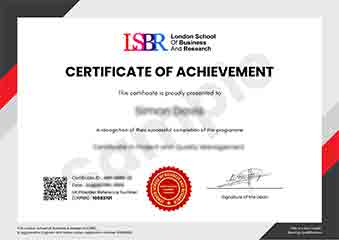
Sample Certificate
Preview the certificate you'll receive upon successful completion of this program.
Pay as an Employer
Request an invoice for your company to pay for this course. Perfect for corporate training and professional development.
What People Say About Us
Hear from our students about their experience with the Undergraduate Certificate in Best Practices for Migrating Legacy Systems to Modern Platforms at LSBR London - Executive Education.
James Thompson
United Kingdom"The course content was incredibly comprehensive, covering everything from legacy system analysis to modern migration strategies. I gained practical skills in system integration and cloud migration, which have already proven valuable in my current internship."
Hans Weber
Germany"The Undergraduate Certificate in Best Practices for Migrating Legacy Systems to Modern Platforms has been incredibly valuable for my career. I've gained practical skills that are directly applicable to real-world scenarios, making me more confident in handling complex migration projects. This course has not only enhanced my technical expertise but also opened up new opportunities for career advancement in the tech industry."
Charlotte Williams
United Kingdom"The course structure was exceptionally well-organized, with each module building logically on the previous one, making complex topics easy to grasp. The comprehensive content, rich with real-world applications, has significantly enhanced my understanding of legacy system migration, providing me with valuable insights that I can directly apply to my professional growth."