
Undergraduate Certificate in Gene Editing Techniques for Chronic Disease Management
Gain hands-on experience in gene editing techniques to advance chronic disease management and research.
Undergraduate Certificate in Gene Editing Techniques for Chronic Disease Management
Programme Overview
This undergraduate certificate is for healthcare professionals and students. It focuses on gene editing techniques for managing chronic diseases. First, students will dive into gene editing basics. Next, they will explore specific techniques like CRISPR-Cas9 and TALENs. Moreover, they will learn how to apply these techniques in managing chronic diseases.
Ultimately, students will gain hands-on experience with gene editing tools. They will also understand the ethical considerations in gene editing. Finally, they will be able to apply their knowledge to real-world scenarios.
What You'll Learn
Unlock the future of healthcare with our Undergraduate Certificate in Gene Editing Techniques for Chronic Disease Management. First, dive into the fascinating world of gene editing. Learn how to harness powerful technologies like CRISPR. Then, understand chronic diseases and their genetic roots. Next, explore real-world applications. Work on projects that could lead to breakthroughs. Also, gain hands-on experience in state-of-the-art labs. Network with industry experts. Finally, prepare for a rewarding career. You could become a research scientist, genetic counselor, or bioethicist. Moreover, you'll be at the forefront of medical innovation. Your skills will be in high demand. Join us. Be part of the next revolution in medicine. Enroll today. Change lives. Start your journey.
Programme Highlights
Industry-Aligned Curriculum
Developed with industry leaders to ensure practical, job-ready skills valued by employers worldwide.
Expert Faculty
Learn from experienced professionals with real-world expertise in your chosen field.
Flexible Learning
Study at your own pace, from anywhere in the world, with our flexible online platform.
Industry Focus
Practical, real-world knowledge designed to meet the demands of today's competitive job market.
Latest Curriculum
Stay ahead with constantly updated content reflecting the latest industry trends and best practices.
Career Advancement
Unlock new opportunities with a globally recognized qualification respected by employers.
Topics Covered
- Introduction to Gene Editing Techniques: Overview of CRISPR-Cas9, TALENs, and ZFNs gene-editing technologies.
- Molecular Biology Fundamentals: Basic principles of molecular biology relevant to gene editing.
- Ethical and Regulatory Considerations: The ethical implications and regulatory frameworks governing gene editing.
- Gene Editing in Chronic Diseases: Applications of gene editing in managing chronic diseases like diabetes and cancer.
- Laboratory Techniques and Safety: Hands-on training in gene-editing lab techniques and safety protocols.
- Current Research and Future Directions: Emerging trends and future prospects in gene editing for chronic disease management.
Key Facts
Audience: This program is for healthcare professionals, researchers, and students seeking advanced knowledge of gene-editing techniques.
Prerequisites: First, you need a bachelor's degree in a related field. Also, basic understanding of molecular biology is essential.
Outcomes: First, you will gain hands-on experience in gene-editing techniques. Next, you will learn to apply these techniques to manage chronic diseases. Finally, you will be able to critically evaluate emerging technologies in gene editing. Additionally, you will develop skills to communicate complex scientific concepts effectively. The program also fosters interdisciplinary collaboration and prepares you for further advanced studies.
Why This Course
Gain Hands-On Experience: First, learners actively engage in lab work. This means they directly apply techniques such as CRISPR-Cas9. Consequently, they gain practical skills that are highly valued in the job market.
Stay Updated: Moreover, the program stays current with the latest research. Therefore, it allows learners to understand cutting-edge advancements. This is crucial for those aiming to excel in the field.
Enhance Career Prospects: Finally, this certificate opens doors to various roles. For instance, it can lead to positions in research, healthcare, and biotechnology. Thus, it boosts employability and career growth.
Programme Title
Undergraduate Certificate in Gene Editing Techniques for Chronic Disease Management
Course Brochure
Download our comprehensive course brochure with all details
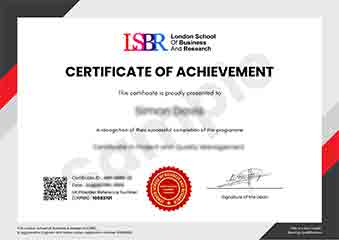
Sample Certificate
Preview the certificate you'll receive upon successful completion of this program.
Pay as an Employer
Request an invoice for your company to pay for this course. Perfect for corporate training and professional development.
What People Say About Us
Hear from our students about their experience with the Undergraduate Certificate in Gene Editing Techniques for Chronic Disease Management at LSBR London - Executive Education.
Charlotte Williams
United Kingdom"The course content was incredibly comprehensive, covering the latest advancements in gene editing techniques with a clear focus on their applications in managing chronic diseases. I gained practical skills in CRISPR-Cas9 and other gene-editing tools, which have significantly boosted my confidence and employability in the biotech industry."
Sophie Brown
United Kingdom"This course has equipped me with cutting-edge skills in gene editing that are directly applicable to real-world chronic disease management, making me a strong candidate for advanced roles in biotechnology and pharmaceutical industries. The practical insights I gained have already opened doors to new career opportunities, allowing me to contribute more effectively to innovative research and development projects."
Ahmad Rahman
Malaysia"The course structure was exceptionally well-organized, allowing me to navigate through complex topics with ease. I found the content to be incredibly comprehensive, covering everything from basic gene editing techniques to their real-world applications in managing chronic diseases, which has significantly enhanced my professional growth and understanding of the field."