
Undergraduate Certificate in Healthcare Systems: Comparative Ethnographic Studies
Gain a global perspective on healthcare systems through comparative ethnographic studies, enhancing cultural competency and analytical skills for healthcare professionals.
Undergraduate Certificate in Healthcare Systems: Comparative Ethnographic Studies
Programme Overview
This course is for undergraduates interested in healthcare systems and cultural studies. First, you'll explore different healthcare systems. Next, you'll learn ethnographic methods. Then, you'll compare systems to spot trends, strengths, and weaknesses. You'll gain a deeper understanding of how culture shapes healthcare. Also, you'll develop skills in data collection and analysis.
First, you’ll dive into health systems. Then, you’ll learn to gather and analyze cultural data. Therefore, you’ll be able to compare and contrast healthcare systems. Lastly, you’ll graduate with a certificate and new skills. Moreover, you’ll be ready to work in multicultural healthcare settings. Equally important, you’ll be prepared for further study in healthcare or anthropology.
What You'll Learn
Dive into the dynamic world of healthcare with our Undergraduate Certificate in Healthcare Systems: Comparative Ethnographic Studies. First, you'll explore diverse healthcare systems worldwide. Next, you'll learn to conduct ethnographic research. This unique blend of cultural awareness and research skills sets you apart.
Imagine yourself as a cultural detective. Analyze healthcare practices in different communities. Then, develop solutions tailored to their needs. This certificate equips you with skills invaluable in today’s globalized healthcare landscape.
Career opportunities abound. Graduates can pursue roles in public health, international organizations, and multicultural healthcare settings. Moreover, gain the skills to improve patient outcomes and advance healthcare equity. Enroll today to become a catalyst for change in healthcare systems worldwide.
Programme Highlights
Industry-Aligned Curriculum
Developed with industry leaders to ensure practical, job-ready skills valued by employers worldwide.
Expert Faculty
Learn from experienced professionals with real-world expertise in your chosen field.
Flexible Learning
Study at your own pace, from anywhere in the world, with our flexible online platform.
Industry Focus
Practical, real-world knowledge designed to meet the demands of today's competitive job market.
Latest Curriculum
Stay ahead with constantly updated content reflecting the latest industry trends and best practices.
Career Advancement
Unlock new opportunities with a globally recognized qualification respected by employers.
Topics Covered
- Introduction to Ethnographic Methods: Fundamentals of ethnographic research and its application in healthcare.
- Cultural Competency in Healthcare: Understanding and addressing cultural diversity in patient care.
- Comparative Health Systems: Analysis of different healthcare systems around the world.
- Ethnographic Data Collection: Techniques for gathering and analyzing qualitative data in healthcare settings.
- Health Disparities and Social Determinants: Examining how social factors influence health outcomes across cultures.
- Ethical Considerations in Healthcare Research: Ethical guidelines and challenges in conducting ethnographic studies in healthcare.
Key Facts
Audience:
Open to all students interested in healthcare and cultural studies.
Ideal for those pursuing careers in healthcare, public health, or anthropology.
Also, beneficial for current healthcare professionals seeking to broaden their perspective.
Prerequisites:
First, complete introductory courses in sociology or anthropology.
Next, have basic research methods skills.
Finally, demonstrate proficiency in English.
Outcomes:
Gain skills in comparative ethnographic research.
Develop understanding of cultural influences on healthcare systems.
Engage with diverse healthcare perspectives.
Enhance critical thinking and analytical skills.
Why This Course
Gain a global perspective: This program opens doors to understanding healthcare systems worldwide. Firstly, it compares healthcare systems from various countries. Learners can study differences and similarities, and see how countries address health issues.
Develop critical skills: Secondly, it enhances skills in ethnographic research. This means learners can gather and analyze data. They will be able to see the human side of healthcare systems. This can help them make informed decisions and advocate for better healthcare.
Build a strong foundation: Lastly, it lays a solid foundation for future studies. This program is a stepping stone to advanced degrees in public health, anthropology, or healthcare administration. Learners can further their education and careers.
Programme Title
Undergraduate Certificate in Healthcare Systems: Comparative Ethnographic Studies
Course Brochure
Download our comprehensive course brochure with all details
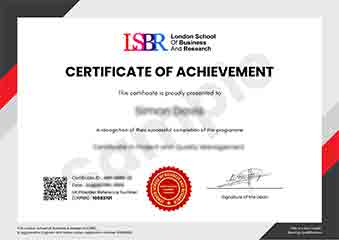
Sample Certificate
Preview the certificate you'll receive upon successful completion of this program.
Pay as an Employer
Request an invoice for your company to pay for this course. Perfect for corporate training and professional development.
What People Say About Us
Hear from our students about their experience with the Undergraduate Certificate in Healthcare Systems: Comparative Ethnographic Studies at LSBR London - Executive Education.
James Thompson
United Kingdom"The course material was incredibly comprehensive, offering a deep dive into various healthcare systems around the world, which has broadened my understanding of global healthcare practices. I gained practical skills in conducting comparative ethnographic studies, which I believe will be invaluable in my future career, especially in navigating and improving healthcare systems."
Charlotte Williams
United Kingdom"The Undergraduate Certificate in Healthcare Systems: Comparative Ethnographic Studies provided me with invaluable insights into global healthcare practices, enhancing my cultural competency and analytical skills. This program has significantly boosted my resume, opening doors to more specialized roles in healthcare management and policy, where I can now apply my knowledge of diverse healthcare systems to drive meaningful change."
Ruby McKenzie
Australia"The course structure was exceptionally well-organized, with a clear progression from theoretical foundations to practical applications, which made it easy to follow and absorb the comprehensive content. The real-world case studies and comparative ethnographic approaches provided invaluable insights, significantly enhancing my understanding of healthcare systems and contributing to my professional growth."