
Undergraduate Certificate in Python Database Security: Best Practices and Implementation
Learn to secure Python databases with best practices, gaining hands-on implementation skills and enhancing your career prospects.
Undergraduate Certificate in Python Database Security: Best Practices and Implementation
Programme Overview
This course is for undergraduate students, IT professionals, and anyone eager to enhance their Python skills. They will learn about the fundamentals of database security. They will also gain practical experience in implementing best practices. The course delivers an understanding of SQL Injection and Python’s defense mechanisms.
First, students will explore Python’s strengths in database interactions. Next, they will dive into real-world vulnerabilities. Finally, they will actively engage in secure coding techniques. This course ensures you start implementing security from day one.
What You'll Learn
Dive into the exciting world of Python and database security with our Undergraduate Certificate in Python Database Security: Best Practices and Implementation. First, you'll master Python's fundamentals. Next, explore the dynamic landscape of database security. Our expert-led, interactive modules will equip you with cutting-edge skills.
Moreover, you'll learn to implement robust security measures and stay ahead of evolving threats. This certificate empowers you to safeguard sensitive data, ensuring your organization remains secure. Meanwhile, you'll gain hands-on experience through real-world projects and case studies.
By the end of the program, you'll be ready to seize high-demand roles like Database Security Analyst, Python Developer, or Cybersecurity Specialist. Join us and become a guardian of digital data. Secure your future in the thriving field of cybersecurity.
What are you waiting for? Take the first step towards a rewarding career. Enroll today and unlock your potential!
Programme Highlights
Industry-Aligned Curriculum
Developed with industry leaders to ensure practical, job-ready skills valued by employers worldwide.
Expert Faculty
Learn from experienced professionals with real-world expertise in your chosen field.
Flexible Learning
Study at your own pace, from anywhere in the world, with our flexible online platform.
Industry Focus
Practical, real-world knowledge designed to meet the demands of today's competitive job market.
Latest Curriculum
Stay ahead with constantly updated content reflecting the latest industry trends and best practices.
Career Advancement
Unlock new opportunities with a globally recognized qualification respected by employers.
Topics Covered
- Introduction to Python and Databases: This module covers the basics of Python programming and database management.
- Database Security Fundamentals: Understand the core principles of database security and why they are important.
- Python for Database Security: Learn how to use Python to implement and enhance database security features.
- Best Practices for Database Security: This module focuses on industry best practices for securing databases.
- Implementing Database Security Measures: Gain hands-on experience in applying security measures to databases using Python.
- Advanced Topics in Database Security: Explore advanced topics such as encryption, access control, and auditing in database security.
Key Facts
Audience
Students and professionals seeking to enhance skills in database security.
Individuals interested in Python programming and database management.
Prerequisites
Basic understanding of Python programming.
Familiarity with database concepts.
First, complete an introductory Python course.
Then, gain experience with SQL databases.
Outcomes
First, learn to implement secure database practices.
Next, identify and mitigate common security threats.
Finally, apply best practices to real-world scenarios.
Why This Course
Firstly, picking an 'Undergraduate Certificate in Python Database Security: Best Practices and Implementation' gives learners a strong foundation. First, it equips you with practical skills. You'll learn to secure databases using Python, a widely-used language. Next, you'll gain best practices to implement in real-world scenarios. This makes the program very hands-on. Finally, it boosts career opportunities. Many fields need database security experts. Moreover, it enhances problem-solving abilities.
Programme Title
Undergraduate Certificate in Python Database Security: Best Practices and Implementation
Course Brochure
Download our comprehensive course brochure with all details
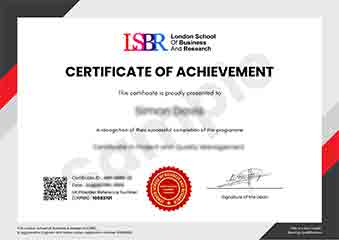
Sample Certificate
Preview the certificate you'll receive upon successful completion of this program.
Pay as an Employer
Request an invoice for your company to pay for this course. Perfect for corporate training and professional development.
What People Say About Us
Hear from our students about their experience with the Undergraduate Certificate in Python Database Security: Best Practices and Implementation at LSBR London - Executive Education.
Sophie Brown
United Kingdom"The course material was incredibly comprehensive, covering everything from basic database security principles to advanced implementation techniques. I gained practical skills that I can immediately apply in my career, such as securing databases against common vulnerabilities and implementing best practices in real-world scenarios."
Fatimah Ibrahim
Malaysia"This course has been a game-changer for my career. I've gained hands-on experience in securing Python databases, which is incredibly relevant in today's job market. The practical skills I've developed have already opened up new opportunities for me, and I feel much more confident in my ability to implement best practices in database security."
Oliver Davies
United Kingdom"The course was exceptionally well-organized, with a clear progression from basic concepts to advanced topics, making it easy to follow and understand. The comprehensive content not only covered the theoretical aspects of Python database security but also provided practical insights into real-world applications, which has significantly enhanced my professional skills and confidence in handling database security challenges."